

04 · Production & Quality
See what is happening on the factory floor while there is still time to act
Production and quality belong together because both describe what happens on the floor. TDS connects planning, live output, engineering and inspection, so problems show up during the shift, not at the end of the day.
Production
Production planning
Plan capacity and load lines on a dynamic planning board. Resources go where the orders need them.
- Capacity planning
- Dynamic planning board
- Line loading
- Learning-curve-aware planning
- Resource allocation
Learning-curve-aware capacity planning
A line does not reach full efficiency on the first day of a new style. Planning takes into account how efficiency builds up as the line progresses through an order, so daily targets and delivery dates are realistic from the start. Predictive modelling on our roadmap
Live production tracking
See hourly output against target for every line and section, down to individual employees.
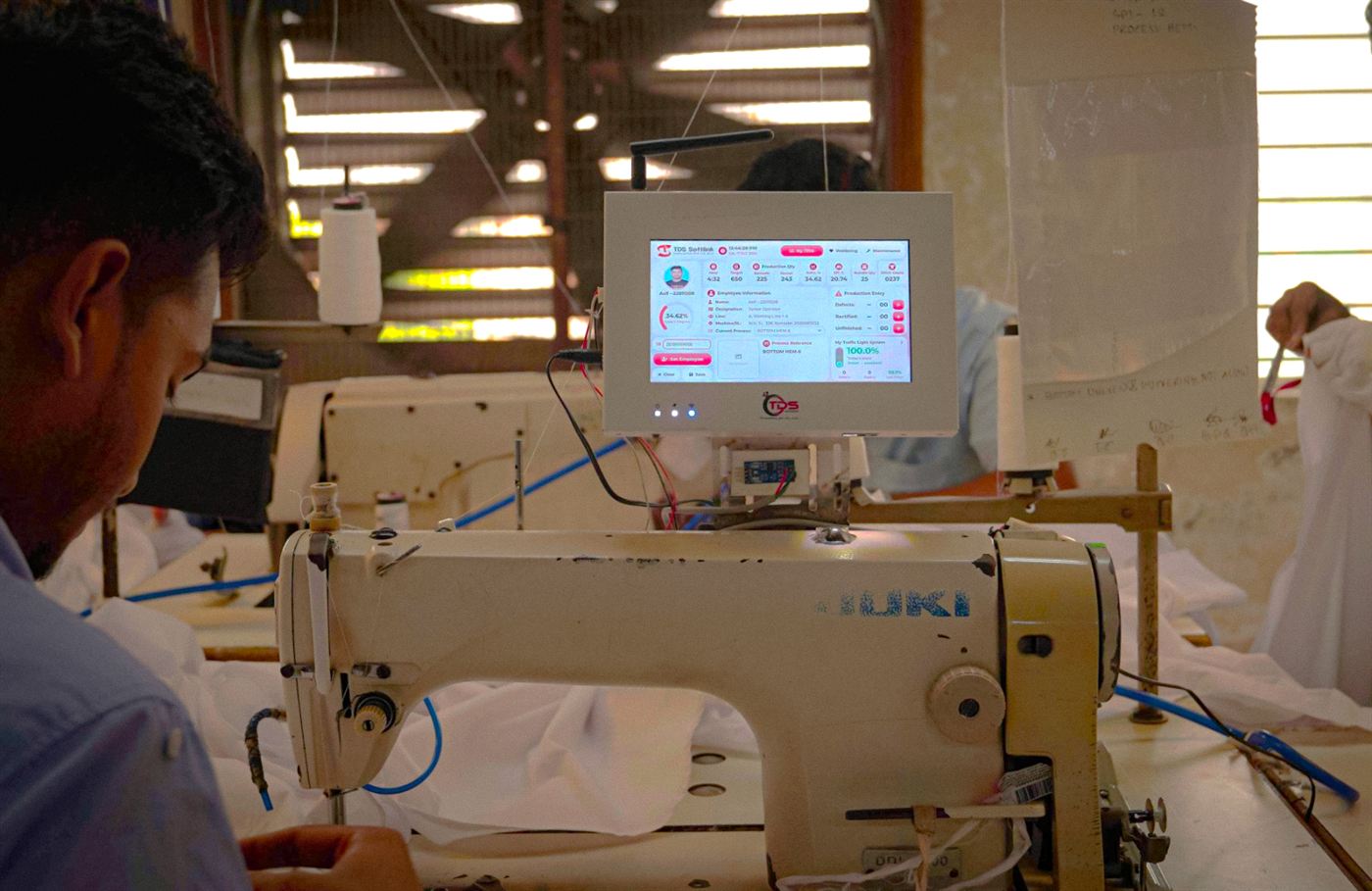
- Hourly production
- Line performance
- Section performance
- Target vs actual
- Individual employee output
Work-in-progress tracking
Track garments as they move through production instead of waiting for end-of-day reports. Work-in-progress (WIP) is visible at each relevant stage.
Industrial engineering
Standard minute values, operation bulletins and line balancing in the same system that tracks output, so efficiency reports use real data.
- SMV (standard minute value)
- Line balancing
- Efficiency reporting
- Operation Bulletin
- Manpower allocation
Bundle & piece traceability
Each bundle gets a barcode and is scanned through cutting, inspection, rework and production. This makes work accountable and traceable on the factory floor.
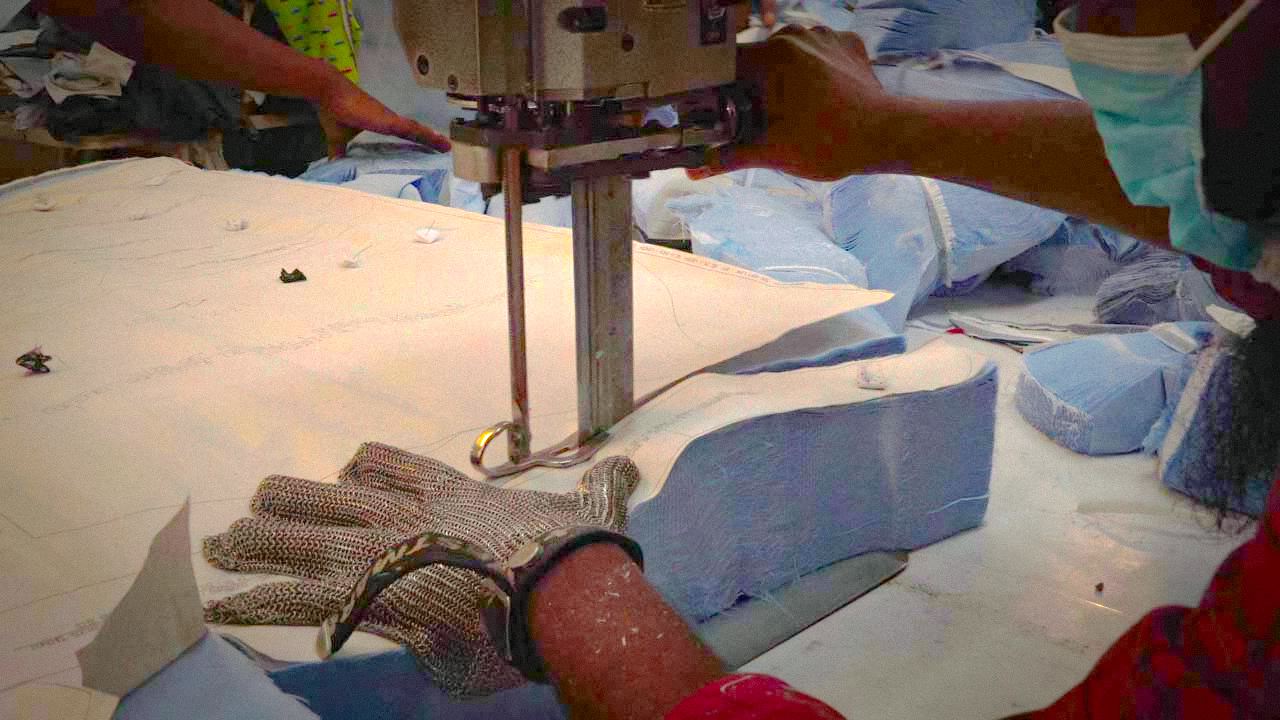
- Barcode-generated bundles
- Cutting
- Inspection
- Rework
- Production process scanning
- Operator / process identification
Predictive fabric utilisation
Before a roll is cut, the system forecasts the fabric end-bits that roll is likely to leave. Cutting teams can plan which lays and markers go on which roll, so more of every roll is used and planning works from real roll lengths.
Quality
Fabric quality
Inspect fabric roll by roll before it reaches the cutting table. Where configured, failed material is blocked from moving forward.
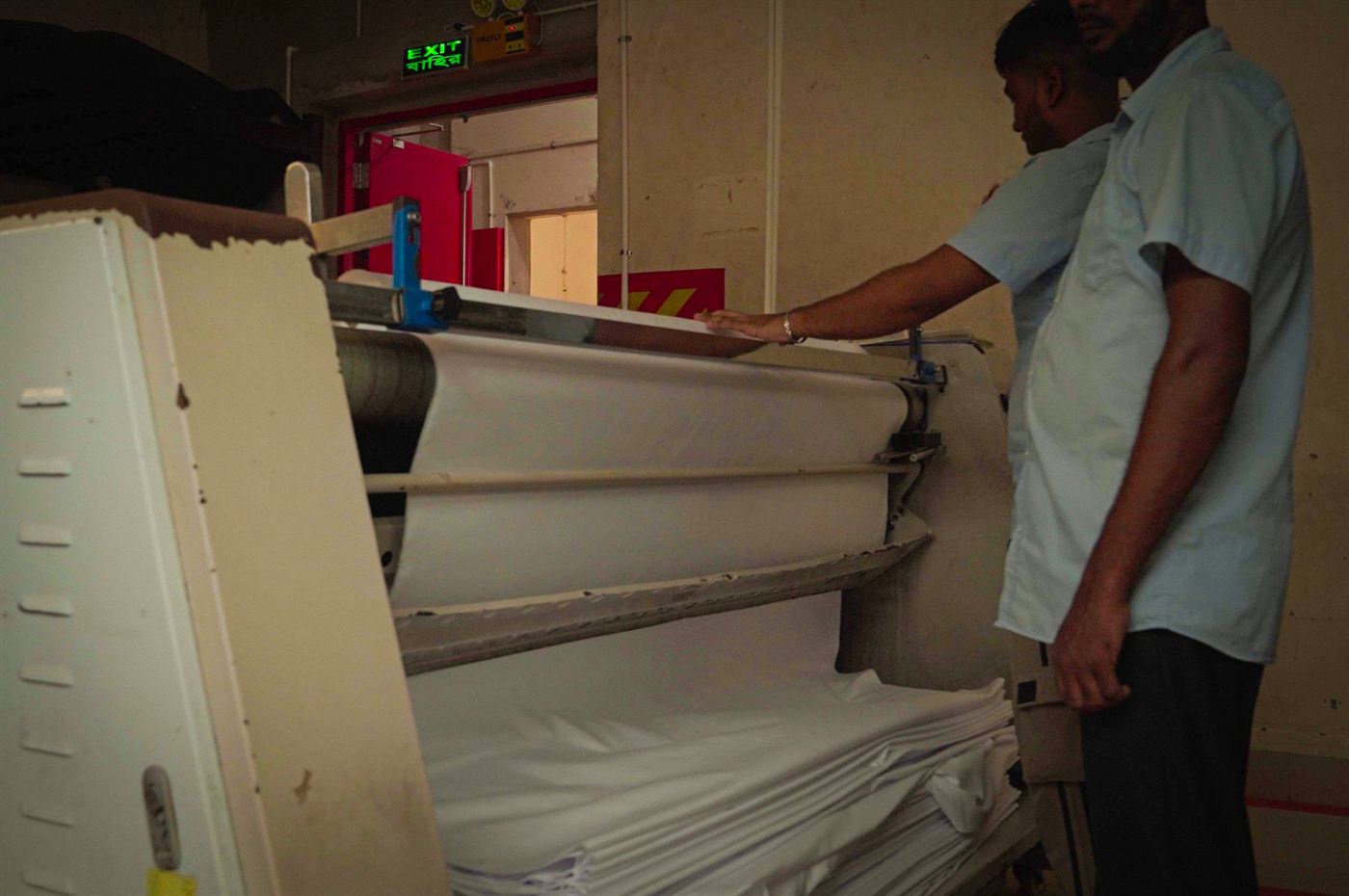
- 4-point fabric inspection
- Roll inspection
- Inspection status
- Blocking failed material from progressing where configured
Production quality
Record quality checks inline, at end of line and at final inspection. Final inspection follows AQL (Acceptable Quality Limit), the sampling-based quality inspection standard buyers use before shipment.
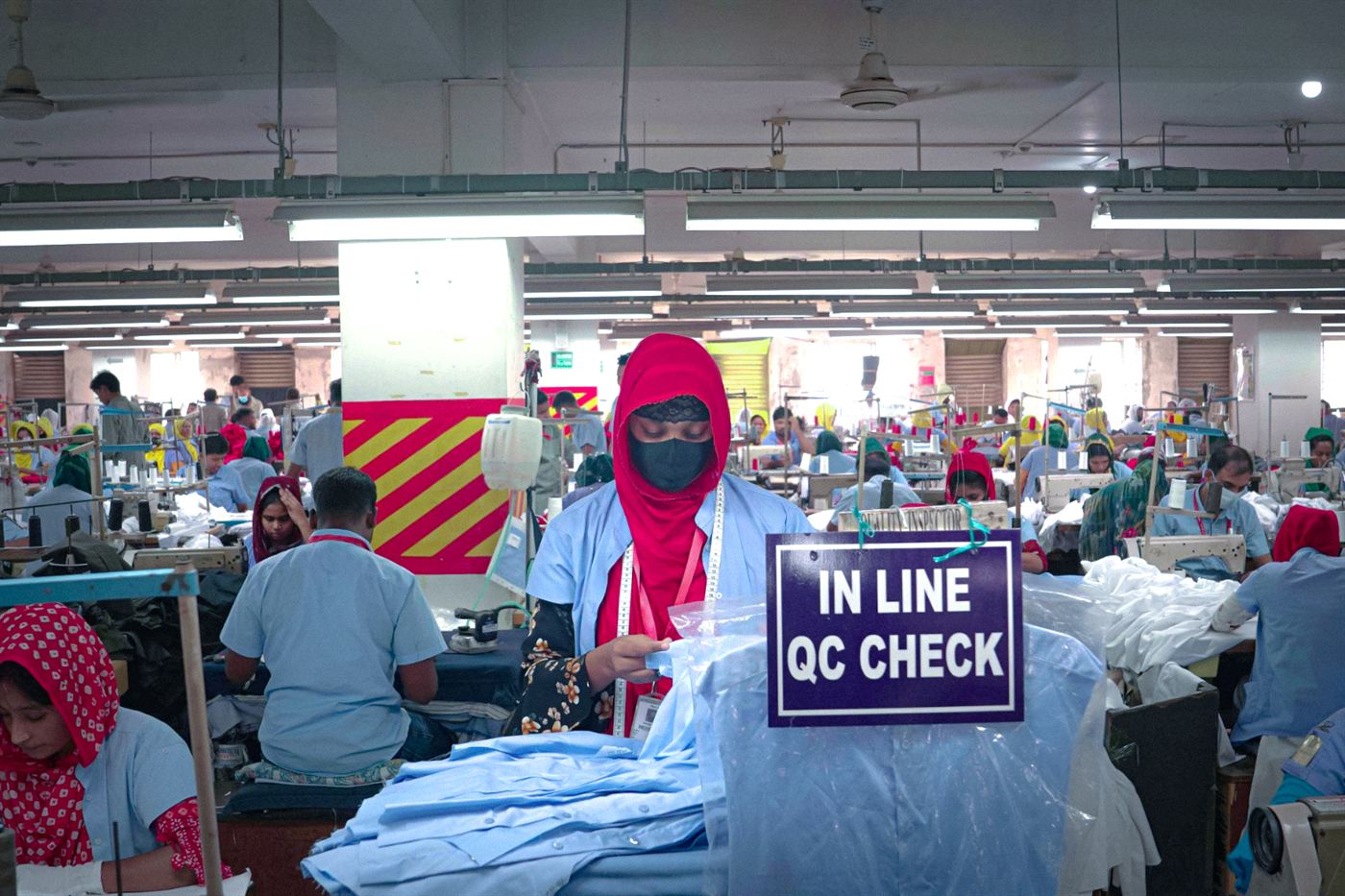
- Inline quality
- End-line inspection
- Final inspection
- AQL inspection
Defect analysis
See where defects come from: by line, operator, operation and defect type, along with alterations and rejections.
- Line
- Operator
- Operation
- Defect type
- Alterations
- Rejections
Quality intelligence
Turn inspection data into improvement. Defects per Hundred Units (DHU), root causes and corrective actions are tracked in one place, and audit-ready reports are available whenever a buyer asks. The aim is a zero-defect culture: an objective the whole floor works towards, backed by data.
- Defects per Hundred Units (DHU)
- Root-cause analysis
- Corrective action
- Audit-ready reporting
Related solutions